What Are The Most Common Plumbing Issues In Older Homes?
Older homes commonly experience plumbing problems such as corroded pipes, leaking fixtures, blocked drains, low water pressure and outdated hot water systems. These issues often develop gradually, making early detection important for preventing costly repairs and water damage.
For homeowners in Wagga Wagga and the surrounding Riverina, understanding these warning signs can help protect ageing properties. Experienced plumbers in Wagga can identify underlying problems and recommend suitable repairs or upgrades before minor faults become major emergencies.
Why Plumbing Systems in Older Homes Start to Fail
Plumbing systems deteriorate over time due to corrosion, everyday wear, ground movement and ageing materials. Older Wagga Wagga properties may contain galvanised steel, copper or earthenware pipes that have become vulnerable to leaks and blockages. Galvanised pipes can develop internal rust, while earthenware sewer pipes may crack or separate at their joints. Ground movement and expanding tree roots can place additional pressure on underground drainage systems.
Because much of a home's plumbing sits behind walls or beneath floors, deterioration can remain unnoticed for years. Regular inspections help identify potential failures before they cause extensive damage.
Corroded and Deteriorating Pipes
Corroded pipes are a common concern in older properties, particularly those containing galvanised steel plumbing. As rust accumulates inside pipes, it restricts water flow and gradually weakens the pipe walls.
Common warning signs include:
- Brown or rust-coloured water
- Reduced water flow from multiple taps
- Recurring leaks around pipe connections
- Visible corrosion on exposed plumbing
- Damp patches on walls or ceilings
Discoloured water can also result from sediment or water supply disturbances, so professional assessment is important.
When Should Old Pipes Be Replaced?
A small leak in otherwise sound pipework may only require a targeted repair. However, widespread corrosion or repeated failures can make replacing affected sections more economical over time.
For damaged underground sewer pipes, pipe relining may provide an alternative to excavation. This process installs a specialised liner inside a suitable existing pipe, creating a new internal surface.
Severely collapsed or misaligned pipes may still require conventional replacement. A plumber can assess the damage and recommend the most appropriate solution.
Leaking Taps, Toilets and Fixtures
Leaking taps, running toilets and deteriorating fittings frequently affect older homes. Washers, seals and valves gradually wear out, allowing water to escape even when fixtures appear switched off.
Although a dripping tap may seem minor, persistent leaks waste water and can indicate deteriorating components. Hidden leaks beneath sinks or behind toilets can also damage cabinetry, flooring and surrounding materials.
What Are the Signs of a Hidden Leak?
Homeowners should watch for unexplained increases in water bills, musty smells, peeling paint and damp patches.
For example, a slow leak beneath the kitchen sink in an older rental property might initially cause only a musty smell. If ignored, moisture could eventually damage the cabinet and flooring.
Prompt repairs can prevent unnecessary damage. Recurring leaks across multiple fixtures may also indicate broader problems with ageing pipework.
Blocked Drains and Sewer Line Problems
Older homes often experience drainage problems caused by tree roots, deteriorated pipe joints and accumulated debris.
Established trees around Wagga Wagga properties can contribute to sewer problems when roots enter existing cracks or gaps in underground pipes. Once inside, roots expand and trap waste, causing recurring blockages.
Warning signs include slow-draining sinks, gurgling toilets, unpleasant drain smells and sewage backing up.
How Do CCTV Drain Inspections Help?
CCTV drain inspections allow plumbers to examine underground pipes using specialised cameras. They can identify root intrusion, cracks, misaligned joints and structural deterioration without immediately excavating the drainage line.
For example, a homeowner experiencing repeated toilet blockages might discover that roots have entered an ageing earthenware sewer pipe.
Depending on its condition, the pipe may require cleaning, relining or replacement.
If your property experiences recurring blocked drains, professional inspection can identify the underlying cause rather than simply clearing the temporary obstruction.
Low Water Pressure in Older Properties
Low water pressure can result from internal pipe corrosion, leaks, partially closed valves or restrictions within plumbing fixtures.
If only one tap has poor flow, the problem may involve a blocked aerator or faulty fitting. However, reduced flow throughout the property could indicate deteriorating supply pipes or another system-wide issue.
Older galvanised pipes are particularly susceptible to internal corrosion that gradually restricts water movement.
A plumber can assess water pressure and flow to determine whether cleaning, repairs or pipe replacement is necessary. Increasing pressure without investigating the cause may place additional strain on ageing plumbing.
Outdated Hot Water Systems
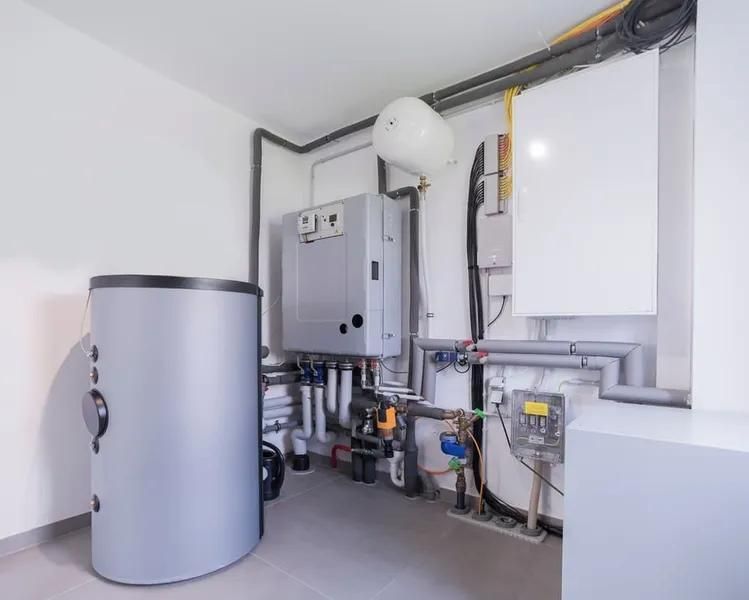
Older hot water systems can become unreliable as heating components deteriorate, sediment accumulates and storage tanks corrode.
Common warning signs include inconsistent temperatures, rusty hot water, unusual noises, visible leaks and insufficient hot water.
When Is Hot Water System Replacement Worthwhile?
Replacement becomes worth considering when repairs are frequent, major components fail or the storage tank shows significant corrosion. Minor faults may justify repairs if the system remains in good condition. However, an ageing system with repeated breakdowns could cost more to maintain than replacing it.
Modern options include electric storage, gas continuous-flow and heat pump systems. The appropriate choice depends on household demand, installation requirements and running costs.
Recognising the signs of a failing hot water system helps homeowners plan upgrades before unexpected breakdowns occur.
Early Warning Signs and When to Call a Professional
Older plumbing systems often show warning signs before serious failures occur. Homeowners should arrange professional assistance when they notice:
- Persistent leaks or unexplained dampness
- Recurring drain blockages
- Rust-coloured water
- Sudden reductions in water pressure
- Unusual pipe noises
- Inconsistent hot water
A plumbing inspection is particularly worthwhile before purchasing an older property or undertaking renovations. Buyers should consider CCTV drain inspections where ageing sewer lines or mature trees raise concerns. Landlords should also respond promptly to reported leaks and drainage problems.
Burst pipes, significant flooding and sewage backups require urgent attention. Where safe, turning off the water supply can help limit damage while professional assistance is arranged..
Why Choose Beaumont Plumbing for Older Homes in Wagga Wagga?
Older properties require careful plumbing assessments because visible symptoms do not always reveal the underlying problem. Beaumont Plumbing assists homeowners, buyers and landlords in Wagga Wagga with plumbing concerns, including ageing pipework, leaking fixtures, drainage problems and hot water systems.
Identifying the cause helps determine whether targeted repairs, CCTV inspections, pipe relining or replacement offers the most practical solution. The key takeaway is that older plumbing does not automatically require complete replacement. Early inspections and appropriate repairs can extend the useful life of existing systems while reducing the risk of unexpected failures.
If your older property is experiencing plumbing problems, contact
Beaumont Plumbing for professional advice. Whether you need a Plumber Wagga Wagga homeowners can consult about ageing pipes or recurring drainage issues,
contact the Beaumont Plumbing team to request a quote.
Frequently Asked Questions
What is the most common plumbing problem in older homes?
Corroded pipes, leaking fixtures and blocked drains are among the most common issues. Their likelihood depends on pipe materials, property age and maintenance history.
How do I know if my old plumbing pipes need replacing?
Recurring leaks, rusty water, visible corrosion and reduced water flow may indicate deteriorating pipes. A licensed plumber can determine whether repairs or replacement are necessary.
Can tree roots damage older sewer pipes?
Yes. Tree roots can enter cracks and deteriorated joints, causing blockages and further damage. CCTV inspections help identify the affected sections.
Is pipe relining suitable for every damaged sewer pipe?
No. Relining works for suitable pipes that retain sufficient structural integrity. Severely collapsed or misaligned sections may require excavation and replacement.
Should I inspect the plumbing before buying an older house?
Yes. A professional plumbing inspection can reveal hidden leaks, ageing pipework and drainage defects that a general property inspection may miss.