Common Plumbing Mistakes Homeowners Make
Many plumbing problems start with small mistakes: ignoring a slow leak, flushing the wrong materials or attempting a repair without understanding the pipework. These decisions can lead to blocked drains, water damage and more expensive repairs.
At Beaumont Plumbing, we help homeowners across Wagga Wagga and the Riverina identify plumbing issues before they become bigger problems. Knowing what to avoid can save you unnecessary disruption and help keep your home's plumbing working properly.
Why Do Small Plumbing Mistakes Turn Into Costly Repairs?
Plumbing systems are largely hidden behind walls, beneath floors and underground. That means a minor issue can develop for some time before you notice the full extent of the problem. A dripping connection beneath a sink might seem insignificant, but repeated moisture exposure can damage cabinetry and surrounding materials. Similarly, a partially blocked drain can gradually become harder to clear if the underlying obstruction remains.
The biggest mistake is assuming that a problem is harmless because it hasn't caused major disruption yet. Homeowners often save themselves trouble by acting when they first notice something unusual, rather than waiting until a fixture stops working altogether.
Are Chemical Drain Cleaners Damaging Your Pipes?
Chemical drain cleaners might seem like a quick solution when water starts draining slowly. However, they aren't always effective against the cause of a blockage and can create additional risks. Some products contain highly corrosive ingredients that can damage certain plumbing materials, seals or fittings, particularly when used repeatedly or incorrectly. They can also create hazards for anyone working on the drain afterwards.
The other problem is that chemical cleaners don't necessarily remove the obstruction. A blockage caused by accumulated grease, foreign objects or tree roots may remain even if water briefly starts flowing again. For recurring blocked drains, professional assessment can help identify where the obstruction is and what method is suitable for clearing it.
If you've already used a chemical product, let your plumber know what you used before they begin work.
Why Shouldn't You Ignore a Small Leak?
A small leak can cause significant inconvenience if it continues unnoticed. Water escaping beneath a sink, around a toilet or inside a wall can gradually affect cabinetry, flooring and nearby building materials. In enclosed areas, persistent moisture can also encourage mould growth.
For example, imagine a homeowner notices a small puddle beneath the bathroom vanity. They wipe it up and assume someone splashed water while washing their hands. Weeks later, the cabinet base has swollen because a connection has been leaking whenever the tap runs. The original plumbing issue may have been relatively straightforward to address, but the surrounding water damage adds another problem.
Watch for damp patches, unexplained moisture, musty smells, changes in water pressure or a water meter that continues registering usage when all fixtures are turned off. These signs deserve attention even if you can't see water actively dripping.
Can Over-Tightening Fittings Cause Leaks?
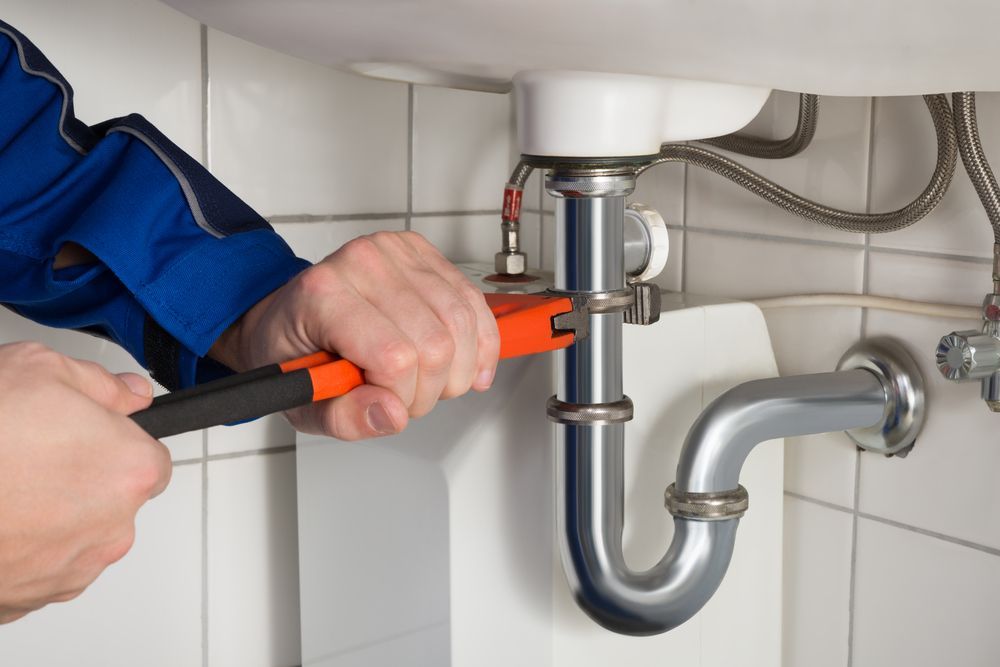
Yes. Tightening a plumbing fitting too much can damage threads, deform seals or crack certain components. It's a common DIY mistake because tightening something harder feels like the logical way to stop water escaping. However, plumbing connections depend on the correct fitting, sealing method and installation technique, not simply maximum force.
Plastic fittings can be particularly vulnerable to cracking when excessive pressure is applied. Other connections may develop problems if a seal becomes distorted or the fitting is damaged.
If a connection continues leaking after you've attempted a simple adjustment, repeatedly tightening it isn't the answer. A plumber can identify whether the problem involves a damaged fitting, worn seal, incorrect connection or another issue.
What Should Never Be Flushed Down the Toilet?
Toilets are designed to carry human waste and toilet paper. Flushing other materials can contribute to blockages within household drains or further along the wastewater system.
Common items that shouldn't go down the toilet include:
- Wet wipes, including products marketed as flushable
- Paper towels and tissues
- Sanitary pads and tampons
- Cotton buds and cotton balls
- Dental floss
- Nappies
- Cooking fats and oils
- Medication and other household waste
Many of these products don't break down like toilet paper. They can catch on existing obstructions, accumulate in pipework and contribute to recurring blockages.
A useful household rule is simple: only flush the three Ps — pee, poo and toilet paper. If a toilet frequently blocks or drains unusually slowly, the issue may already extend beyond what you can see in the bowl.
When Does a DIY Plumbing Repair Go Too Far?
Basic maintenance and recognising early warning signs are useful homeowner skills. However, there's an important difference between routine care and work that requires a licensed plumber.
In NSW, plumbing and drainage work is regulated. Homeowners shouldn't assume that watching an online tutorial makes it appropriate to alter pipework, replace plumbing connections or carry out other regulated work themselves. An incorrect repair can create leaks, affect water pressure, damage fixtures or introduce problems that remain hidden until later. Even seemingly simple jobs can become complicated when old fittings are corroded, pipework is difficult to access or an existing installation has underlying faults.
If you're unsure whether a repair requires a licensed professional, it's safer to ask before starting. For homeowners comparing local trades, our guide on how to choose the right plumber explains what to consider when arranging professional plumbing work.
What Are the Signs It's Time to Call a Plumber?
Some plumbing problems provide clear warning signs before they become emergencies. You should consider professional assistance when you notice:
- Drains that repeatedly block or empty slowly
- Leaks that return after an attempted fix
- Unexplained drops in water pressure
- Water stains on walls, ceilings or floors
- Toilets that frequently overflow or back up
- Unusual sounds coming from pipes
- Persistent unpleasant smells around drains
- An unexpected increase in water usage
The combination of symptoms can be particularly important. For example, several slow-draining fixtures may suggest a problem affecting a shared section of drainage rather than an isolated sink blockage. Likewise, unexplained dampness near a wall may indicate a concealed leak rather than a surface spill.
If wastewater is backing up into the home or water is escaping rapidly, treat the situation as urgent. Where safe, isolate the water supply if appropriate and arrange professional assistance.
How Can You Prevent Avoidable Plumbing Problems?
Good plumbing habits don't require complicated maintenance routines. Most involve being careful about what enters your drains and responding promptly when something changes.
In kitchens, avoid pouring cooking oils and fats down the sink. Allow them to cool and dispose of them appropriately instead. Food scraps should also go into the bin rather than being washed into the drain.
In bathrooms, use suitable drain strainers to catch hair and debris before they accumulate in the pipework. Keep an eye on tap connections, toilet bases and vanity cupboards for early signs of moisture. It's also worth checking visible pipework and flexible connections periodically for deterioration, corrosion or leaks. If you notice something concerning, arrange an assessment rather than attempting an uncertain repair.
For older properties around Wagga Wagga and the wider Riverina, paying attention to recurring drainage problems and ageing plumbing components can be particularly useful. The goal isn't to inspect every pipe yourself. It's to recognise changes early and know when professional help is appropriate.
Protect Your Home With Beaumont Plumbing
Most avoidable plumbing problems come down to three things: putting unsuitable materials down drains, overlooking early warning signs and attempting repairs without the right knowledge. Taking small leaks seriously, avoiding repeated chemical drain treatments and leaving regulated plumbing work to qualified professionals can help reduce the risk of preventable water damage and disruption.
If you're looking for reliable
plumbers Wagga homeowners can contact for advice and repairs,
Beaumont Plumbing can help assess the problem and recommend an appropriate solution.
Contact our team to discuss your concerns or learn more about our
plumbing services for residential properties.
Frequently Asked Questions
Can chemical drain cleaners make a blockage worse?
They may fail to clear the underlying obstruction and can create hazards or damage certain plumbing components when used incorrectly. Recurring blockages are better assessed to identify their actual cause.
Is a small dripping tap worth fixing?
Yes. Even a minor leak wastes water and may indicate a worn component or faulty connection. Addressing it early can prevent further deterioration and unnecessary water use.
Why does my toilet keep blocking?
Recurring toilet blockages can result from unsuitable flushed materials, an obstruction in the drainage pipe or another issue affecting wastewater flow. A plumber can investigate the cause rather than repeatedly treating the symptoms.
Can I repair plumbing pipes myself in NSW?
Plumbing and drainage work is regulated in NSW, and work requiring a licence should be completed by an appropriately licensed professional. If you're unsure whether a task is permitted, check before attempting it.
How often should household plumbing be checked?
There's no single inspection interval suitable for every home. The age of the property, condition of its plumbing and history of leaks or blockages can help determine when a professional assessment is worthwhile.