Pipe Relining in Wagga Wagga
- Free quotes with clear, upfront pricing every time.
- Fully mobile service across Wagga Wagga and surrounds.
- Over 11 years of trusted plumbing experience.
Get A Quick Quote
Thank you for contacting Beaumont Plumbing.
We will get back to you as soon as possible.
Oops, there was an error sending your message.
Please try again later.
No-Dig Repairs That Last
Wagga Wagga Pipe Relining
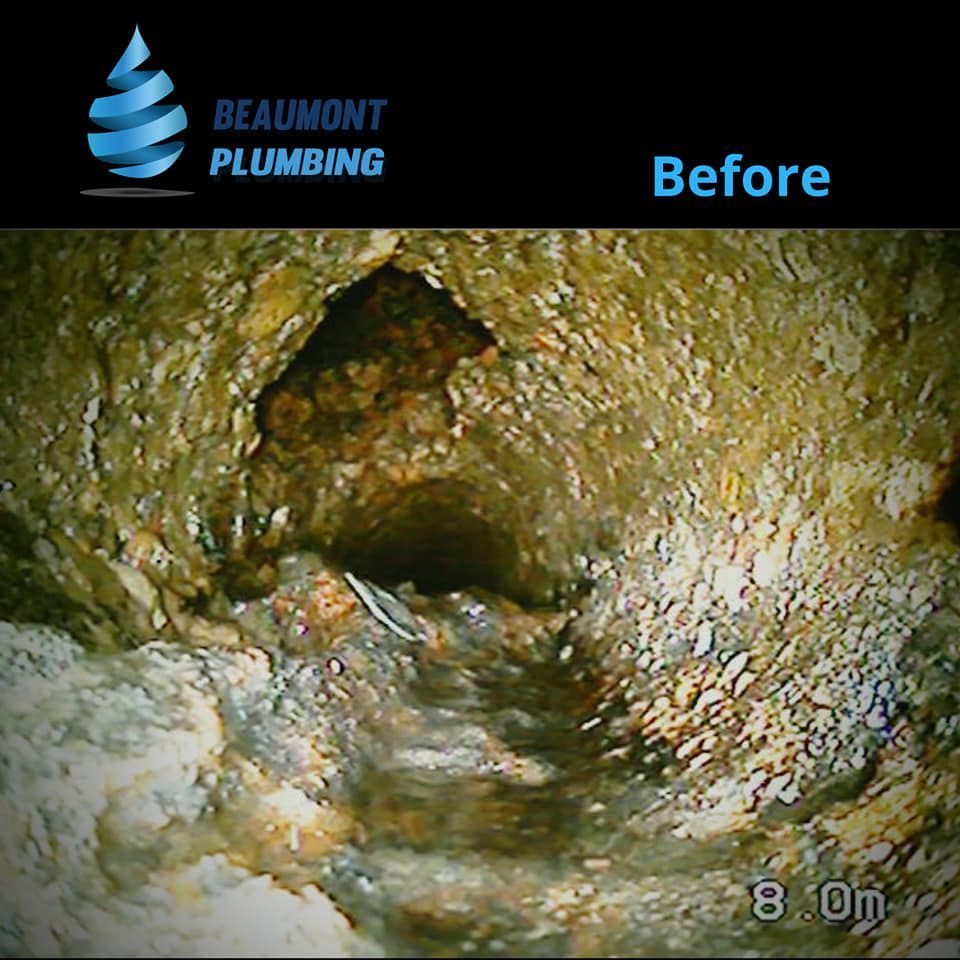
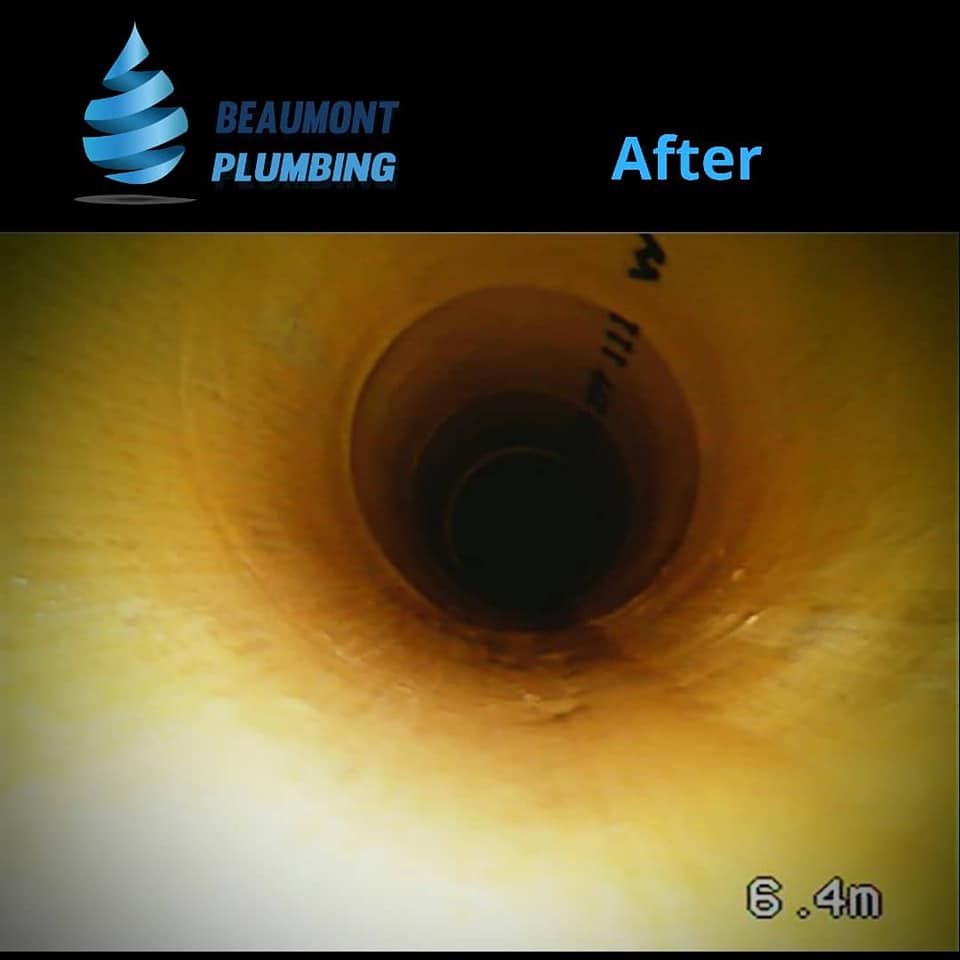
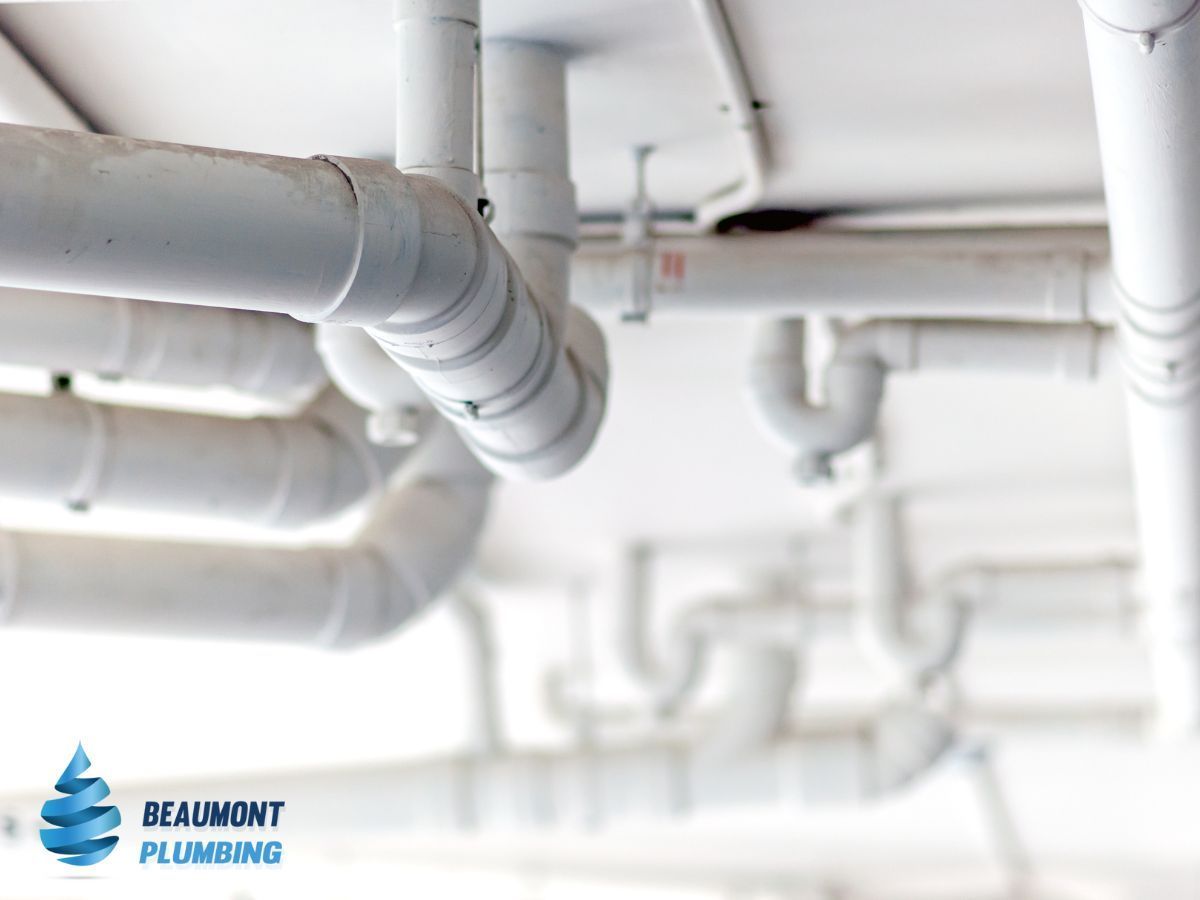
Damaged pipes don’t always need to be dug up—modern pipe relining offers a cleaner and more cost-effective way to restore your drainage system. At Beaumont Plumbing, we provide pipe relining services to homes and businesses across Wagga Wagga, Junee, Griffith, Tumut, Albury, and nearby regions. This trenchless repair method allows us to fix cracked, leaking, or broken pipes from the inside out using a durable epoxy resin liner. It bonds to the interior of the existing pipe and forms a new, watertight surface—eliminating the need for excavation.
With over 11 years of plumbing experience and full licensing, we assess each job using CCTV inspection tools to locate and diagnose pipe damage accurately. Pipe relining is ideal for sewer lines, stormwater pipes, and underground plumbing in tight-access areas.
Want to restore your pipes without digging up your yard? Call us on
0401 792 215 to book a pipe inspection today.
Durable, Cost-Saving Technology
Non-Invasive Drain Pipe Repairs
Pipe relining is one of the most efficient and long-lasting solutions for underground pipe damage. We use high-grade resin materials that cure in place, creating a strong new lining inside the pipe. This method extends the lifespan of your drainage system, prevents future leaks, and can be used on various pipe materials. It’s perfect for properties where excavation would be costly, disruptive, or even impossible.
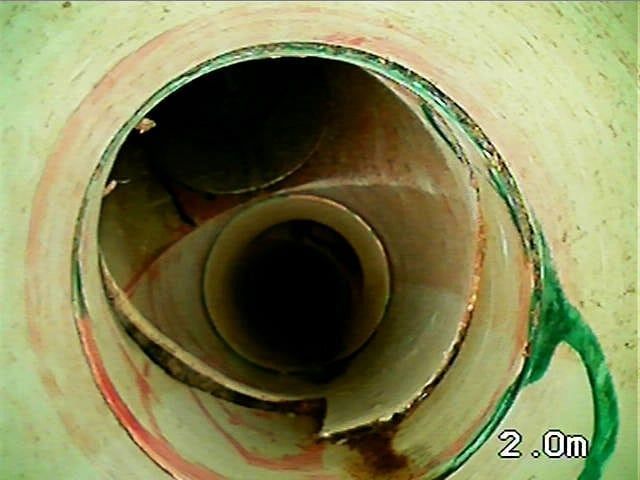
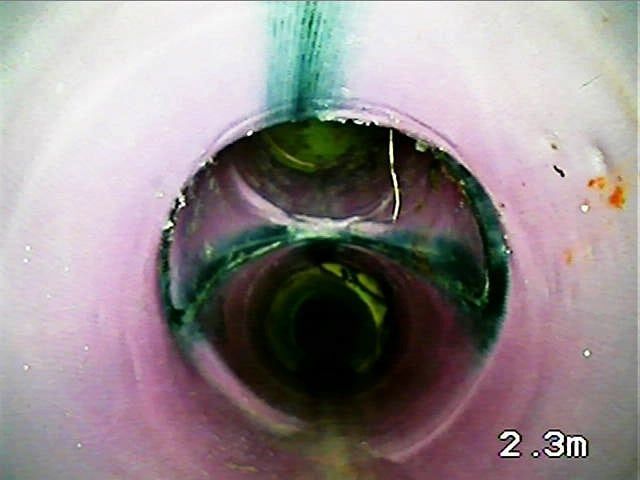
Every relining job begins with a comprehensive CCTV drain inspection, allowing us to map out the damage and confirm that relining is the right solution. We then clean and prepare the pipe before inserting the liner and curing it using air, water, or UV, depending on the conditions. The result is a seamless, joint-free pipe interior that resists root intrusion and improves flow.
For a smarter approach to pipe repairs, get in touch with Beaumont Plumbing today—we’re ready to help you protect your plumbing system.
FAQs
All You Need To Know
What is pipe relining, and how does it work?
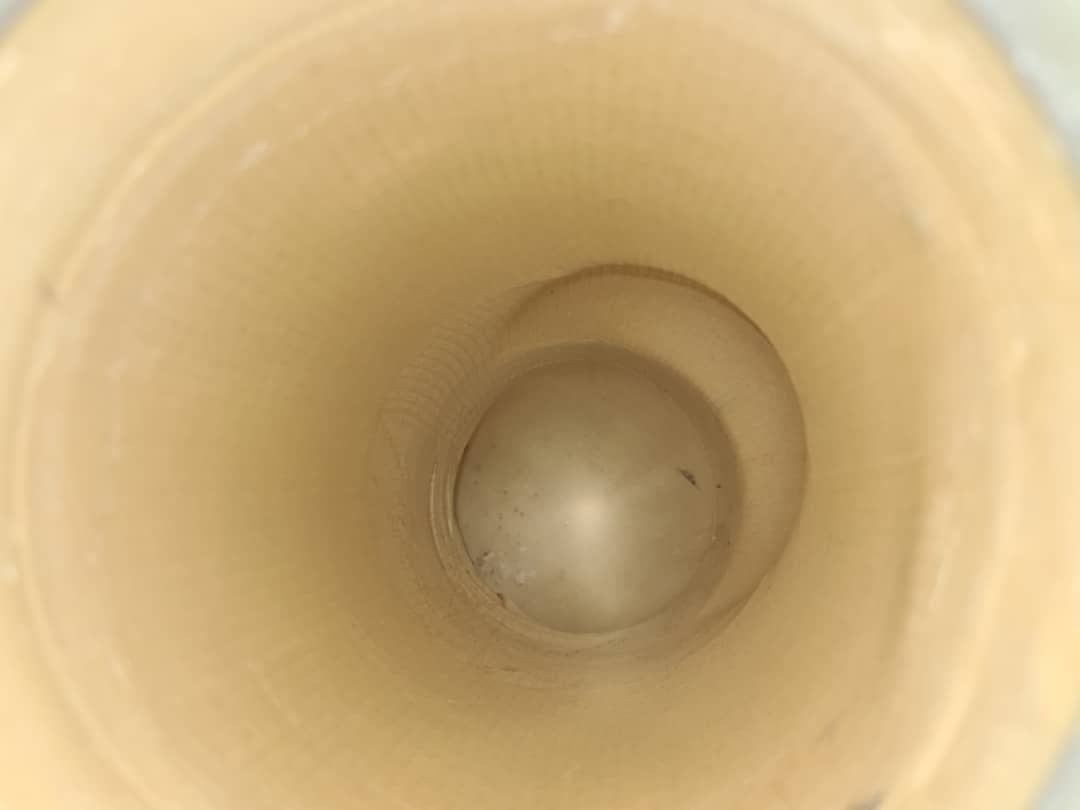
Pipe relining is a trenchless method of repairing damaged or deteriorated pipes without digging them up. It involves inserting a flexible liner coated with epoxy resin into the existing pipe. Once positioned, the liner is inflated and the resin is cured—typically using hot water, steam, or UV light—bonding it to the interior walls of the pipe.
The result is a new, seamless pipe within the old one that restores structural integrity and flow. Pipe relining is commonly used for sewer and stormwater pipes affected by cracks, leaks, or root intrusion, and is suitable for a range of materials including PVC, clay, and cast iron.
Is pipe relining cheaper than replacing pipes?
In many cases, pipe relining is more cost-effective than traditional pipe replacement—especially when factoring in the cost of excavation, property restoration, and longer downtime.
Traditional replacement requires digging up floors, driveways, or landscaping, which can add significantly to the total cost. Pipe relining, on the other hand, is completed with minimal disruption to the property, and usually takes less time.
While the upfront price per metre can be similar or slightly higher than replacement, the reduced labour, faster turnaround, and preservation of existing infrastructure often make relining the better-value option overall.
When should pipe relining be used?
Pipe relining is ideal when pipes are cracked, leaking, or invaded by roots, but still mostly intact. It’s best used when access is limited or when digging would be too disruptive or expensive—such as under buildings, concrete, or landscaping. CCTV inspections can help determine if a pipe is suitable for relining.
However, if a pipe has collapsed completely or has extensive structural damage, full replacement may be necessary. Relining is also recommended for homeowners looking to prevent future issues or extend the lifespan of ageing pipes with minimal impact to their property.
How long does pipe relining last?
Modern pipe relining solutions are designed to provide long-lasting repairs for damaged underground pipes. High-quality epoxy resin liners can last for decades when installed correctly by experienced professionals. The relining process creates a durable new pipe inside the existing damaged pipe, helping improve flow while sealing cracks and preventing leaks. Pipe relining also reduces the risk of future tree root intrusion because the finished lining has fewer joints and weak points. Long-term durability makes pipe relining a popular alternative to traditional pipe replacement for many residential and commercial properties.
Can pipe relining fix tree root damage in drains?
Pipe relining is commonly used to repair drains damaged by invasive tree roots. Roots can enter underground pipes through small cracks or loose joints, eventually causing major blockages and structural damage. During the pipe relining process, plumbers first remove roots and debris using specialised drain cleaning equipment before installing a new internal liner. The seamless lining helps prevent roots from re-entering the pipe in the future. Pipe relining can often restore damaged sewer and stormwater pipes without requiring large-scale excavation across gardens, driveways, or landscaping.
Is pipe relining suitable for residential and commercial properties?
Pipe relining can be used in both residential and commercial properties where underground pipes have become damaged or deteriorated. The trenchless repair method is particularly useful in areas where excavation would disrupt buildings, driveways, landscaping, or business operations. Pipe relining is commonly used for sewer pipes, stormwater drains, and underground plumbing systems in homes, offices, and commercial facilities. Because the process minimises digging and property disruption, many property owners choose relining as a practical and efficient solution for repairing damaged pipes while preserving existing infrastructure.
Why are CCTV inspections important before pipe relining?
CCTV drain inspections are an important part of the pipe relining process because they allow plumbers to accurately assess the condition of underground pipes before repairs begin. Specialised drain cameras help locate cracks, blockages, root intrusion, corrosion, and collapsed sections without unnecessary digging. The inspection also confirms whether pipe relining is the most suitable repair option for the damaged pipe. Accurate diagnosis helps plumbers prepare the pipe properly before inserting the liner. CCTV inspections improve repair accuracy and help ensure the relined pipe performs effectively over the long term.