Hot Water Systems in Wagga Wagga
- Free quotes with clear, upfront pricing every time.
- Fully mobile service across Wagga Wagga and surrounds.
- Over 11 years of trusted plumbing experience.
Get A Quick Quote
Thank you for contacting Beaumont Plumbing.
We will get back to you as soon as possible.
Oops, there was an error sending your message.
Please try again later.
Reliable Installs, Fast Repairs
Wagga Wagga Hot Water Systems
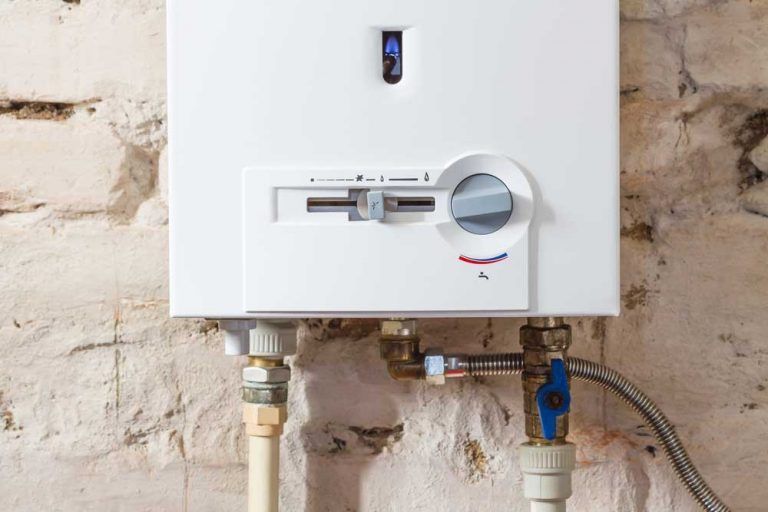
A well-functioning hot water system is essential, and when it breaks down, you need fast, qualified help. At Beaumont Plumbing, we specialise in the installation, repair, and replacement of gas and electric hot water systems across Wagga Wagga and surrounding areas, including Griffith, Junee, Tumut, and Albury. Whether your system is leaking, delivering inconsistent temperatures, or completely out of hot water, we’ll diagnose the issue quickly and recommend a practical solution that suits your budget.
With over 11 years of experience and full NSW Fair Trading licensing, we handle both standard and energy-efficient system upgrades. We service all major brands and offer honest advice on whether to repair or replace.
We’re a fully mobile team and can often provide same-day service to get your hot water back on fast. For expert assistance with your hot water system , call
0401 792 215 today.
Tailored to Your Home’s Needs
Gas, Electric & Energy-Efficient Options
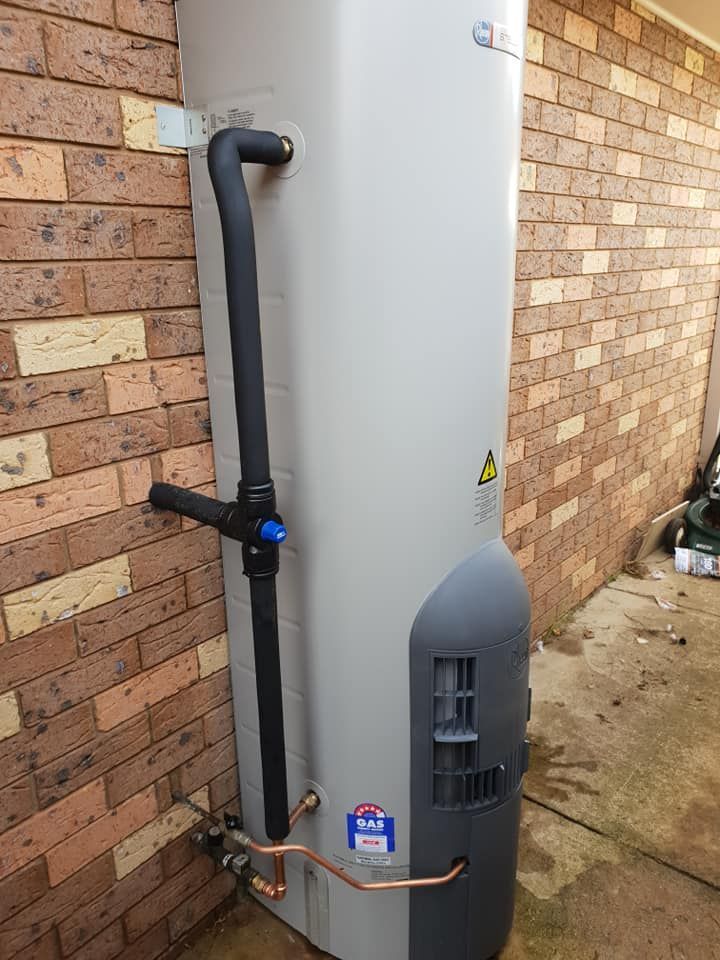
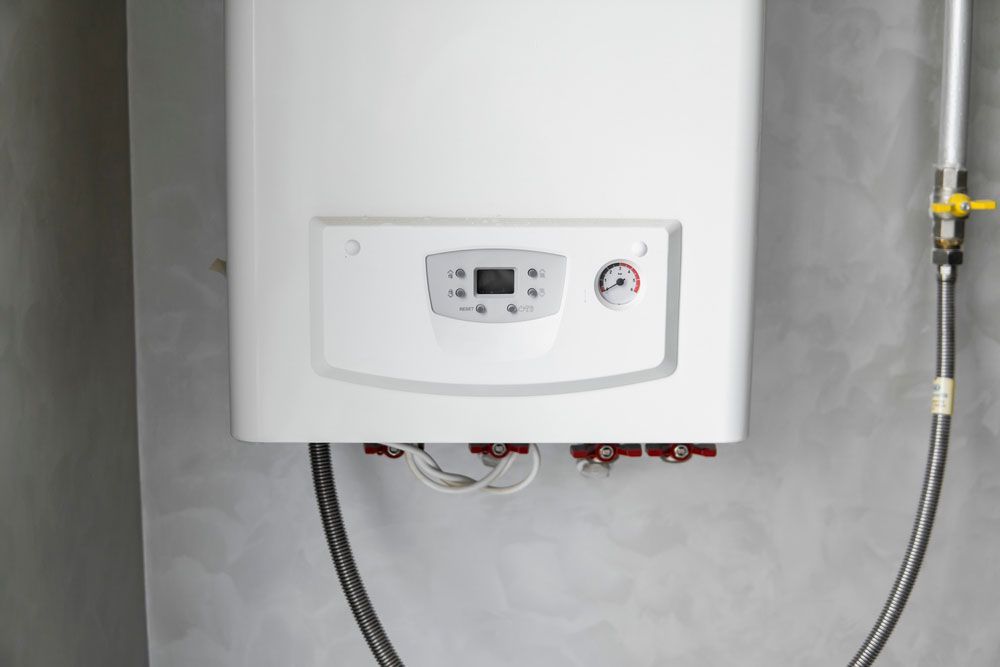
Hot water needs vary between households, so choosing the right system matters. We assess your property size and energy goals to recommend systems that deliver consistent performance. From traditional electric storage tanks to instantaneous gas systems and energy-efficient upgrades, we provide options that are reliable, durable, and aligned with your lifestyle. We also help you navigate rebates or incentives for choosing eco-friendly models. If you’re switching from electric to gas or upgrading to solar hot water, we’ll take care of the plumbing and compliance requirements.
Our hot water services are built around transparency and long-term performance. We don’t cut corners—and we’ll never pressure you into repairs or replacements you don’t need. Whether you need a quick repair or a full system replacement, our goal is to provide quality workmanship and peace of mind with every job.
FAQs
All You Need To Know
Why is my hot water system not working?
There are several reasons a hot water system might stop working. Common issues include a faulty thermostat, a broken heating element (for electric systems), a malfunctioning pilot light or gas valve (for gas systems), or sediment buildup inside the tank.
In some cases, the system may be too old and struggling to meet demand due to wear and reduced efficiency. Leaks, strange noises, or discoloured water are also warning signs of internal damage or corrosion. If hot water is intermittent or completely unavailable, it’s best to have the system professionally inspected to prevent further damage or safety hazards.
How long should a hot water system last?
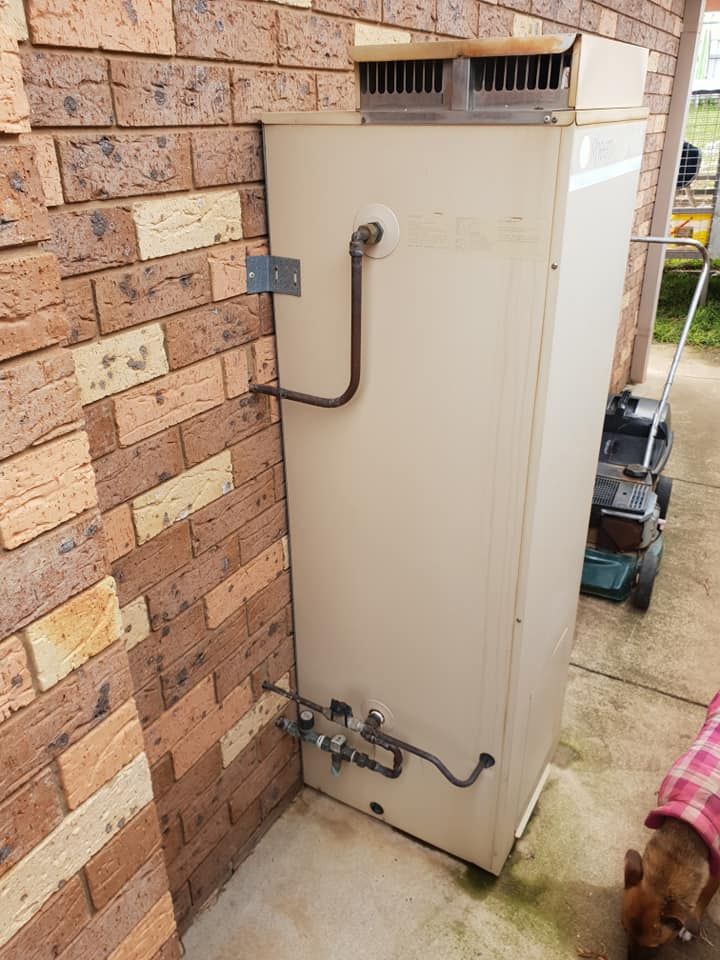
In Australia, the average lifespan of a hot water system is typically between 8 to 12 years, depending on the type, brand, and level of maintenance. Electric storage systems tend to last around 8–10 years, while gas continuous flow systems can last 10–15 years with regular servicing.
Factors like water quality, usage frequency, and local climate can also affect how long a system lasts. Regular maintenance, such as flushing the tank and replacing sacrificial anodes, can extend its service life and maintain efficiency over time.
Should I choose gas, electric, or solar hot water?
Each type of hot water system has its pros and cons:
Electric systems are cheaper upfront and easier to install but can be more expensive to run long-term.
Gas systems provide fast heating and are cost-effective in areas with gas access.
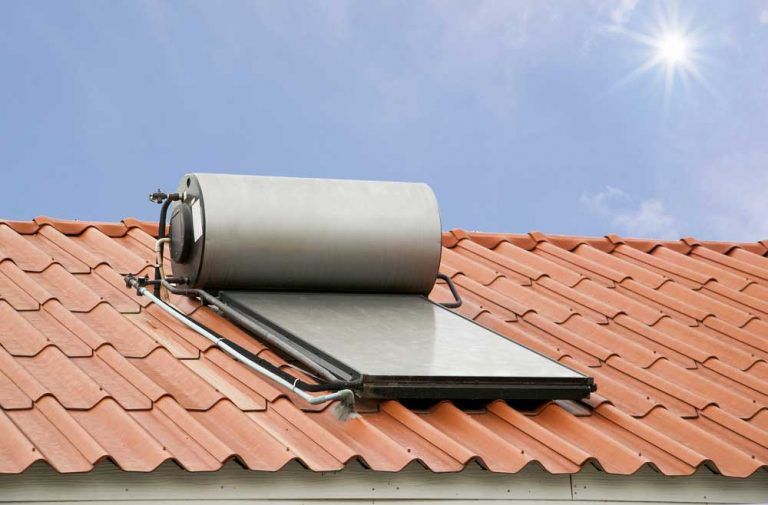
Solar hot water systems offer the highest energy savings and environmental benefits, especially in sunny regions, but come with higher installation costs.
What are the signs that a hot water system needs replacing?
Several warning signs can indicate a hot water system is reaching the end of its lifespan. Common issues include rusty or discoloured water, inconsistent water temperatures, leaking tanks, unusual noises, and reduced hot water supply. Older systems may also become less energy efficient, causing higher utility bills over time. Frequent repairs can often mean replacement is more cost effective than ongoing maintenance. Professional hot water systems inspections can help identify whether repairs are still practical or if a full system upgrade would provide better long-term reliability and performance.
How can regular servicing improve hot water systems?
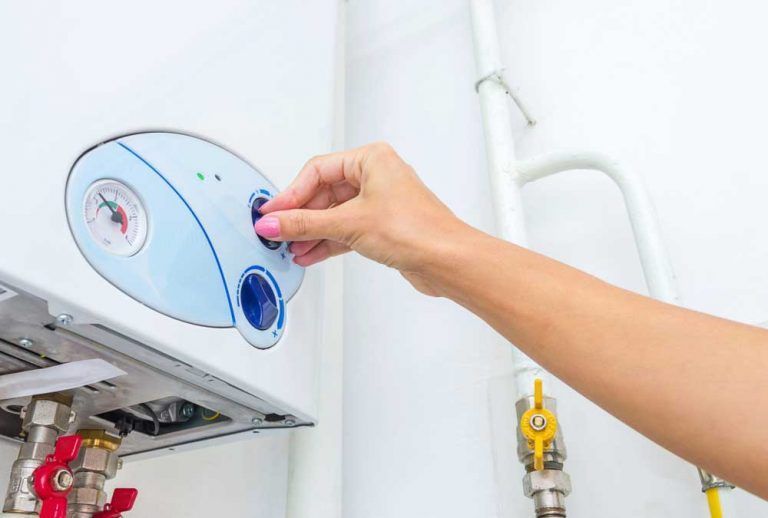
Routine servicing helps hot water systems operate more efficiently and reduces the risk of sudden breakdowns. During a service, plumbers may inspect valves, check thermostats, flush sediment build-up from tanks, and identify worn components before they fail. Regular maintenance can improve energy efficiency, maintain consistent water temperatures, and extend the lifespan of the system. Servicing is especially important in areas with hard water, where mineral deposits can build up more quickly inside tanks and pipes. Preventative maintenance can also help homeowners avoid costly emergency repairs and unexpected hot water interruptions.
What size hot water system is best for a family home?
The right hot water system size depends on the number of people living in the home, daily water usage, and whether the system is electric, gas, or solar. Smaller households may only need a compact storage system or continuous flow unit, while larger families often require higher-capacity tanks to meet peak demand. Installing a system that is too small can lead to running out of hot water regularly, while oversized systems may increase energy costs unnecessarily. Professional plumbers can recommend suitable hot water systems based on household needs and energy efficiency goals.
Are energy-efficient hot water systems worth installing?
Energy-efficient hot water systems can help reduce household energy consumption and lower long-term running costs. Modern systems such as continuous flow gas units, heat pumps, and solar hot water systems are designed to heat water more efficiently than older storage tanks. Many homeowners choose energy-efficient options to reduce electricity usage and improve environmental sustainability. While installation costs may be higher initially, ongoing savings on utility bills can make these systems cost effective over time. Choosing the right system depends on household size, water usage, available energy sources, and budget considerations.