Gas Fitting in Wagga Wagga
- Free quotes with clear, upfront pricing every time.
- Fully mobile service across Wagga Wagga and surrounds.
- Over 11 years of trusted plumbing experience.
Get A Quick Quote
Thank you for contacting Beaumont Plumbing.
We will get back to you as soon as possible.
Oops, there was an error sending your message.
Please try again later.
Licensed, Safe & Fully Compliant
Wagga Wagga Gas Fitting
Gas fitting is highly specialised work that must be completed by a licensed professional. At Beaumont Plumbing, we provide licensed gas fitting services across Wagga Wagga and surrounding areas, including Junee, Griffith, Tumut, Albury, and more. Whether you’re installing a new cooktop, upgrading a hot water system, or suspect a leak, we’re equipped to handle the job. With over 11 years of experience and a NSW Fair Trading licence, we follow all standards and regulations to deliver safe, reliable results.
We work with both LPG and natural gas systems, covering everything from new appliance installs and pipework upgrades to leak detection and compliance checks. We’ll guide you through your options and ensure everything is tested, certified, and operating at peak performance. Need qualified gas fitting in Wagga Wagga? Call us today on
0401 792 215.
Precision Work from Start to Finish
Installations, Leak Detection & More
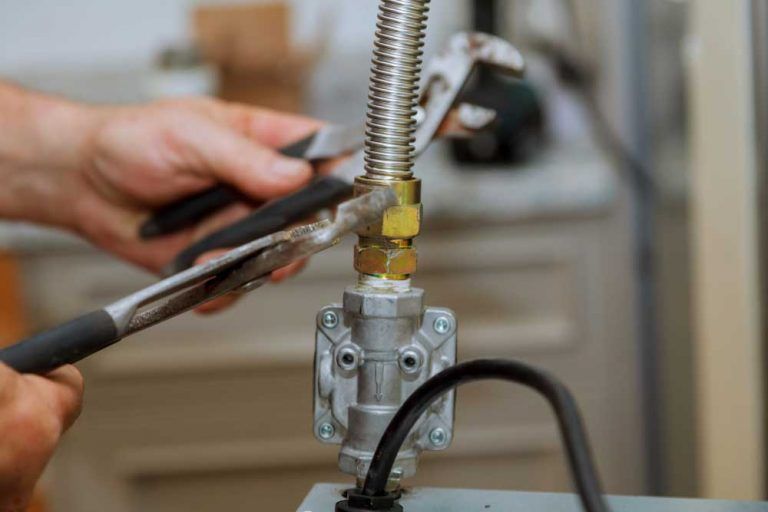
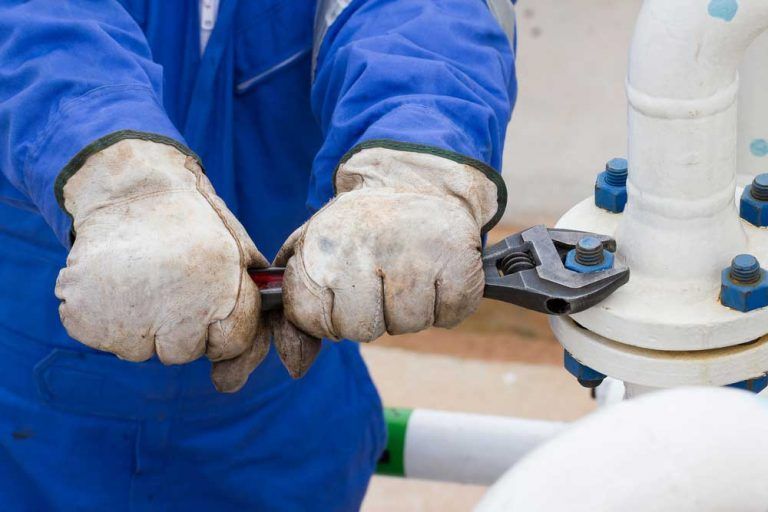
Gas appliances must be installed correctly to prevent serious risks like carbon monoxide leaks or fire hazards. At Beaumont Plumbing, we offer a full range of gas fitting services. This includes connecting gas hot water systems, ovens, heaters, and outdoor BBQ lines. We also provide repairs to existing gas lines, upgrades to accommodate new appliances, and full safety checks to ensure your system meets code.
We take a detailed, methodical approach to every job — no shortcuts, no rushed installations. Whether it’s running a new line through your kitchen or isolating a leak in an older system, we use proven techniques and certified tools to get the job done right. If you’re renovating or replacing a faulty unit, we’re ready to help.
Contact Beaumont Plumbing today for a professional gas fitting that puts safety first.
FAQs
All You Need To Know
What does a gas fitter do?
A gas fitter is a licensed professional who installs, maintains, and repairs gas systems and appliances. This includes connecting gas lines to ovens, cooktops, heaters, and hot water systems, as well as performing leak detection and pressure testing.
Gas fitters also upgrade or relocate existing gas infrastructure and ensure all components meet safety and compliance standards. In Australia, gas fitting is regulated work that must be carried out by a licensed technician due to the high risk of fire, explosion, or carbon monoxide exposure when systems are not correctly installed or maintained.
How can I tell if I have a gas leak?
Signs of a gas leak include a strong, sulphur-like odour (often described as rotten eggs), hissing sounds near gas lines, discoloured or dying vegetation around buried pipes, or physical symptoms like headaches, nausea, or dizziness when indoors.
Gas leaks are extremely dangerous and require immediate attention. If you suspect a gas leak, it’s important to turn off the gas at the meter, ventilate the area, and avoid using electrical switches or open flames. Contact a licensed gas fitter or emergency service as soon as it is safe to do so.
What’s the difference between LPG and natural gas?
LPG and natural gas are both used for residential and commercial energy needs, but they differ in chemical composition, supply, and storage. Natural gas is mostly methane and delivered via pipelines, while LPG is a mixture of propane and butane, stored in pressurised cylinders or tanks.
LPG has a higher energy content per unit and is commonly used in rural or off-grid areas where piped natural gas is unavailable. Appliances must be specifically designed or converted to suit the gas type being used, and installation requirements vary accordingly.
Why is professional gas fitting important for home safety?
Professional gas fitting is important because incorrectly installed or damaged gas systems can create serious safety risks for homes and businesses. Licensed gas fitters are trained to install, repair, and test gas lines, appliances, and connections according to Australian safety standards. Faulty gas installations may lead to leaks, fire hazards, or carbon monoxide exposure if not handled properly. Professional gas fitting services help ensure gas systems operate safely and efficiently while reducing the risk of dangerous faults. Regular inspections can also identify wear or damage before larger problems develop.
What appliances can a gas fitter install?
Licensed gas fitters can install a wide range of gas appliances for residential and commercial properties. Common installations include gas cooktops, ovens, heaters, hot water systems, BBQ connections, and outdoor kitchen appliances. Proper installation is essential to ensure appliances operate safely, efficiently, and in compliance with NSW regulations. Gas fitting may also involve connecting new gas lines or upgrading existing pipework to suit appliance requirements. Professional installation helps minimise safety risks and ensures appliances receive the correct gas pressure and ventilation needed for reliable operation.
What are the signs of a faulty gas appliance?
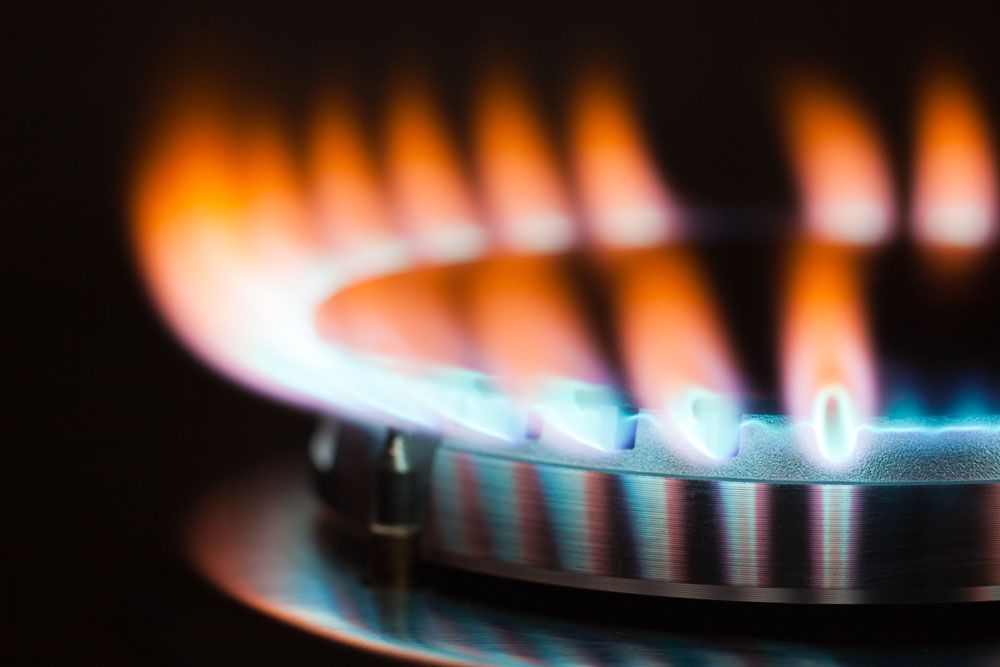
Faulty gas appliances may show several warning signs including unusual smells, yellow or orange flames, soot marks, pilot lights frequently going out, or appliances taking longer to heat than normal. In some cases, occupants may experience headaches, dizziness, or nausea caused by poor ventilation or carbon monoxide exposure. Strange noises or unusually high gas bills can also indicate appliance issues. Gas appliances should never be ignored if they appear unsafe or operate differently than usual. Professional gas fitting inspections can identify faults early and help prevent serious safety hazards inside the property.
How often should gas systems be inspected?
Gas systems should generally be professionally inspected every one to two years to ensure appliances, pipework, and fittings remain safe and compliant. Regular gas fitting inspections can identify leaks, corrosion, damaged connections, and ventilation issues before they become dangerous. Homes with older gas appliances or heavy daily usage may benefit from more frequent servicing. Routine inspections also help maintain appliance efficiency and reduce the likelihood of unexpected breakdowns. Keeping gas systems properly maintained is an important part of protecting household safety and ensuring reliable long-term performance from gas appliances and connections.